Why eating the ferment changes the gut you already have
A diet high in fermented foods raises the diversity of your resident gut microbiome, and diversity is the part that resists pathogens and lowers inflammation.
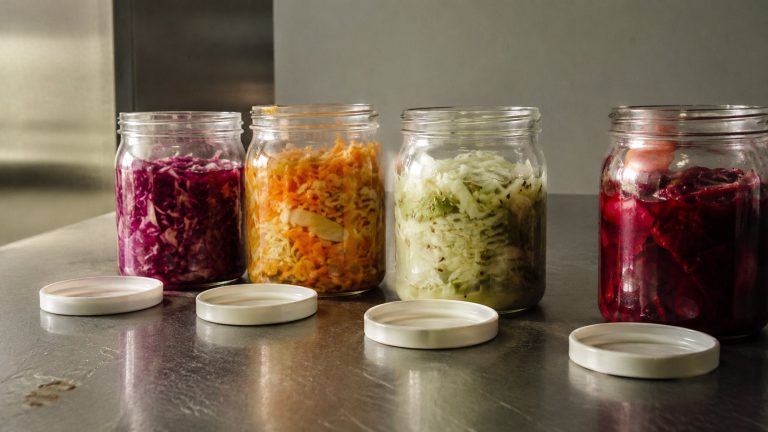
A diet high in fermented foods raises the diversity of your resident gut microbiome, and diversity is the part that resists pathogens and lowers inflammation.
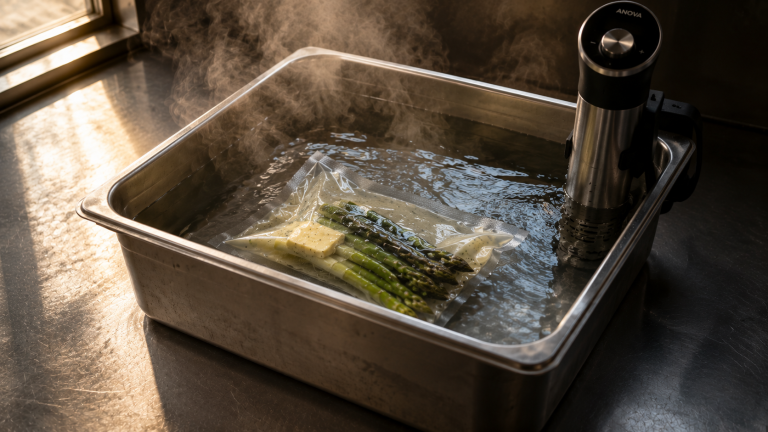
Cooking usually kills the cultures you fermented butter to get. Fat shields them from heat, so a 55 to 60C cook keeps them live to the plate.
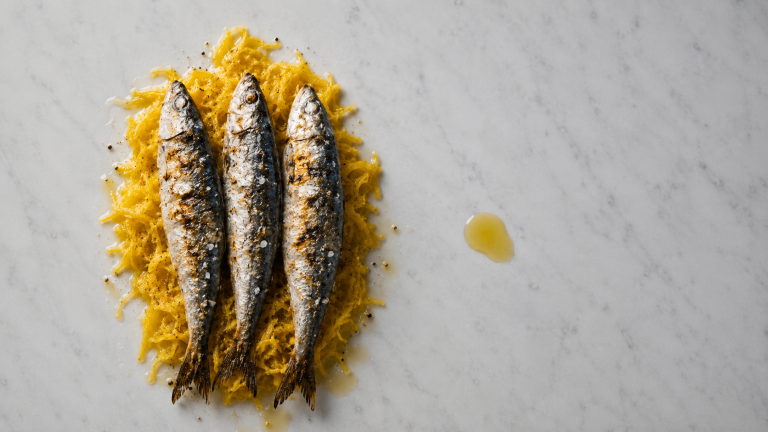
Most plant compounds people eat for the health benefit are bound to sugars the gut absorbs poorly. Raw, you pass most of them. Fermentation runs the conversion step first, so more of what you add to the bag actually reaches your blood.
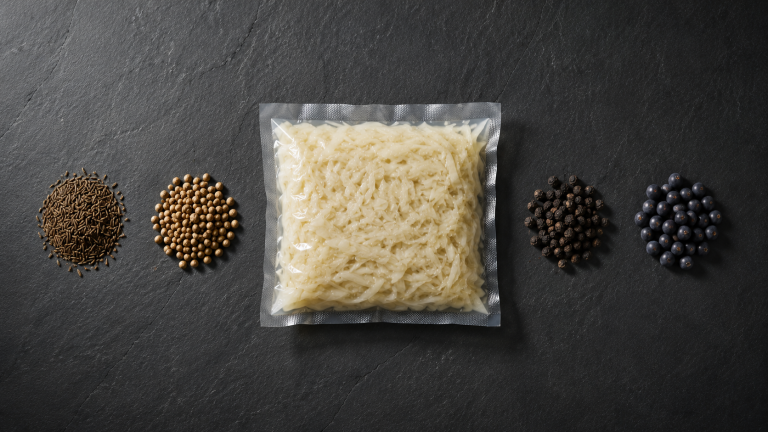
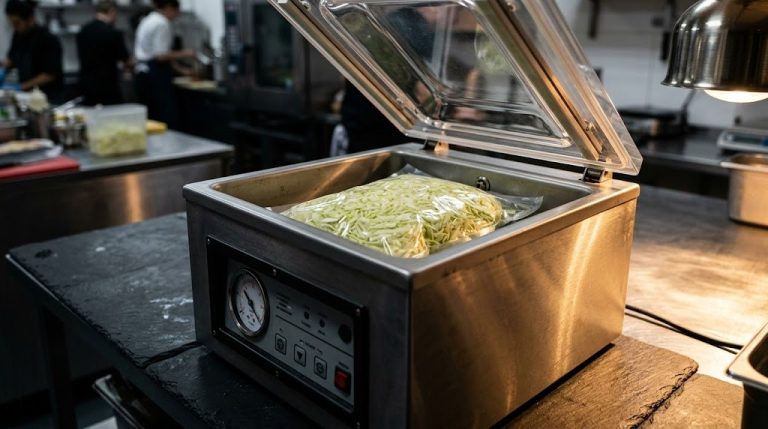
Most home ferment recipes assume you can take a crock-style spice blend and bag it. You can’t. The bag changes which aromatics survive, which get wasted, and which the bacteria actually use to build flavour.
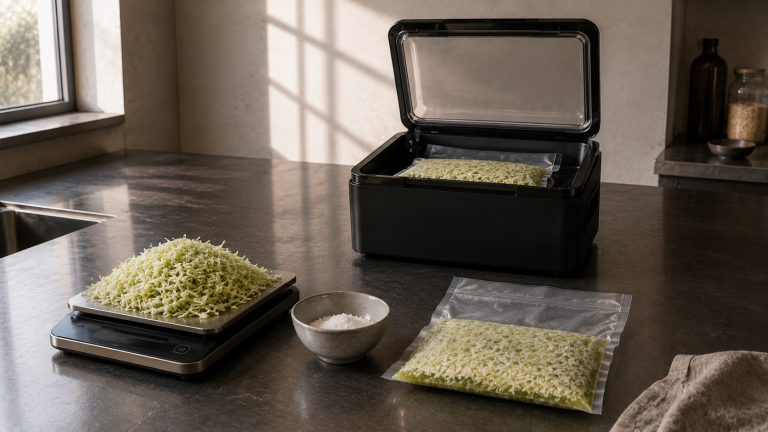
Three Field Notes covered the variables. This one is the protocol that uses all three. The Neutral Base Method, every step from raw cabbage to refrigerated jar.
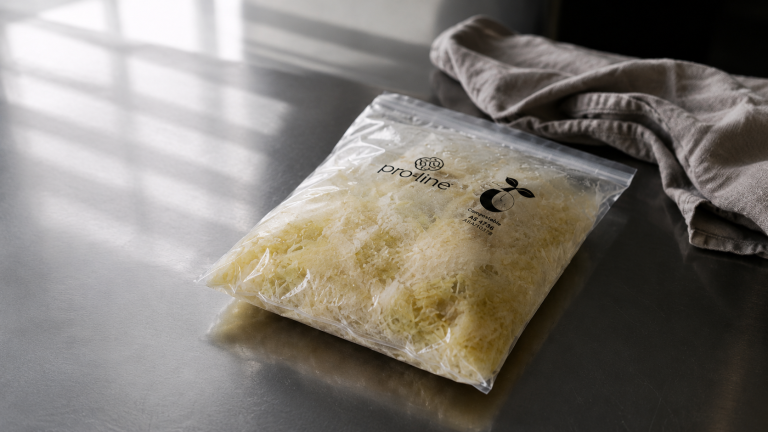
Salt sets the chemistry. The bag delivers the pressure. Time runs the biology, and the chamber vac does not let you skip it. Days, not weeks. Never hours.
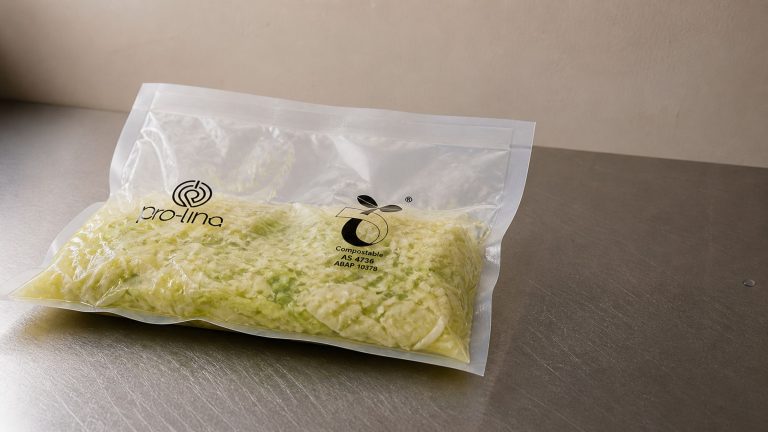
Bag thickness, seal width, and food-grade specs decide whether the ferment works. The second variable in the chamber vacuum system, and why most home setups underspecify it.
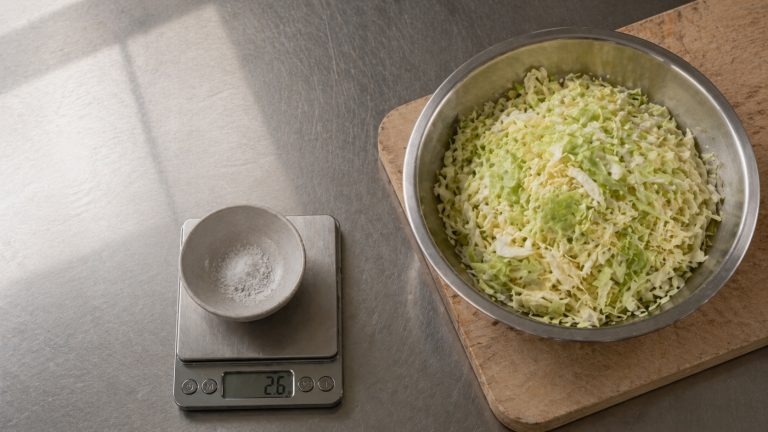
Most people get the salt wrong on their first batch. Half a percent either way is the difference between a clean ferment and a soft, off-smelling bag. Salt is a control variable, not a seasoning.
Most commercial fermented foods are pasteurised after production, killing the lactic acid bacteria responsible for gut health benefits. The only way to get truly live fermented food is to make it yourself.

The relationship between red wine and gut health is more nuanced than the standard advice suggests. Here is what the research actually shows about polyphenols, dose, and the Inner Ecosystem.