Why the temperature you cook at decides what you eat
Cook cultured butter and you usually kill the cultures you cultured it for. Heat is how most live food dies on the way to the plate.
Butter changes that maths. Fat shields bacteria from heat, and the temperature a vegetable needs to cook well sits below the temperature that wipes the bacteria out.
The gap between those two numbers is the whole technique. Cook inside it and you eat the cultures. Cook past it and you have made expensive toast.
What fat does to bacteria under heat
Bacteria die in heat at a measurable rate. Food science tracks it as a D-value, the minutes at a set temperature needed to drop a population by 90 per cent. Lower the temperature and the D-value climbs, so more bacteria live, a pattern a 2021 review in the International Dairy Journal maps across milk and dairy.
A D-value is not a promise of survival, it is a description of how fast a population is lost at a set temperature. Survival through heat is also not the same as colonisation, it is simply survival through heat: live food reaching the plate intact, which is the only claim on the table.
What moves the curve is the matrix the bacteria sit in, and fat is the lever that matters here. A 2022 study in BMC Microbiology heated lactic acid bacteria in milk emulsions and found that adding anhydrous milk fat or vegetable fat at 15 to 30 per cent significantly raised their heat resistance. More fat, more bacteria through the same cook.
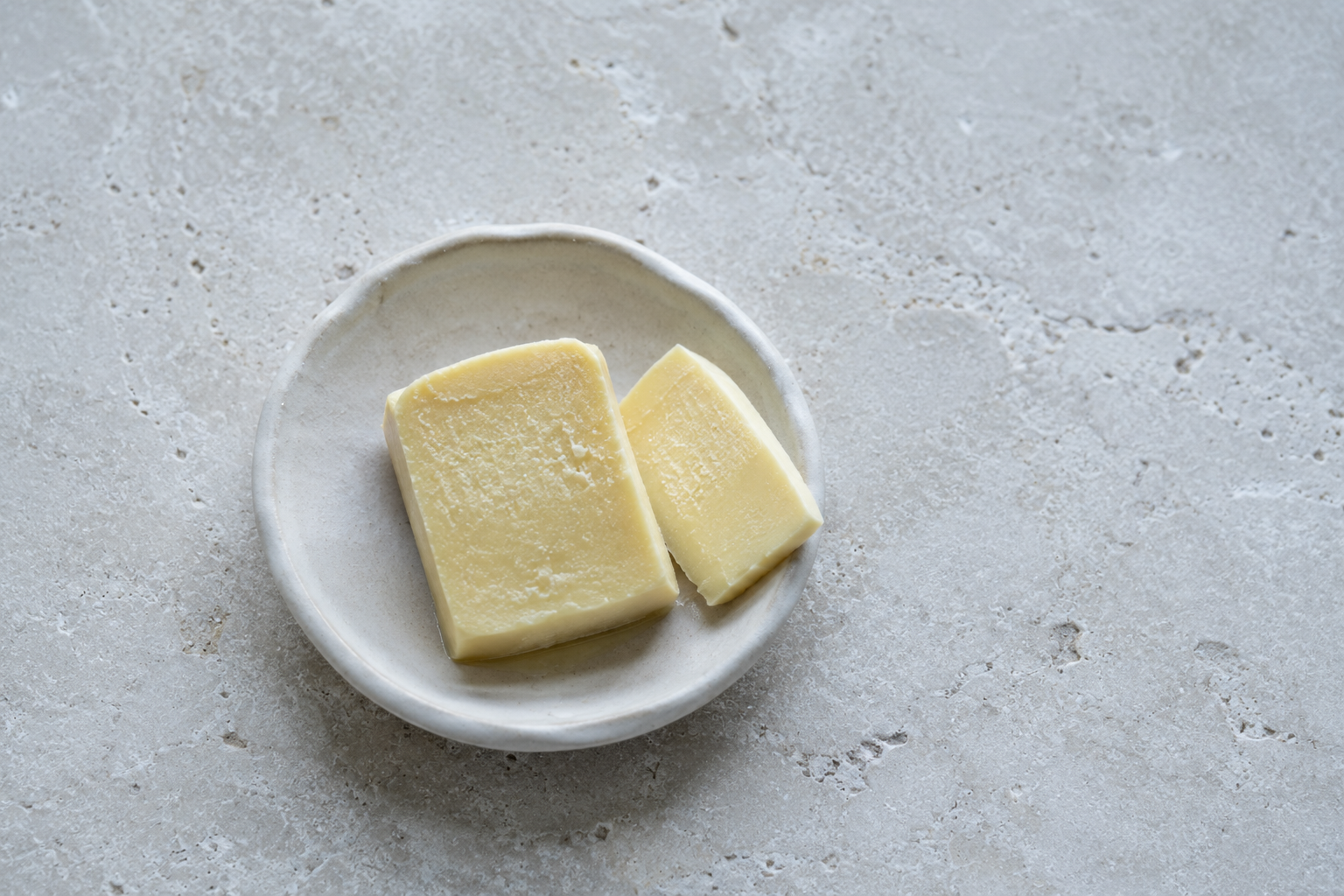
Cultured butter is about 80 per cent fat, well past the protected end of that range. The fat works as a thermal buffer, slowing how fast heat reaches them.
One thing pulls the other way. The same study found lower pH speeds thermal death up, and cultured butter carries a little acid from its own fermentation, but that acid load is modest. Here the fat wins, which is what makes butter the right carrier, not a cabbage brine.
The cook-to-eat protocol
Here is the working window. Vegetables cook to a good texture from about 55C, and that is below the temperature where you would write off the culture. So the target sits at 55 to 60C: low enough to keep the population, high enough to cook the vegetable through.
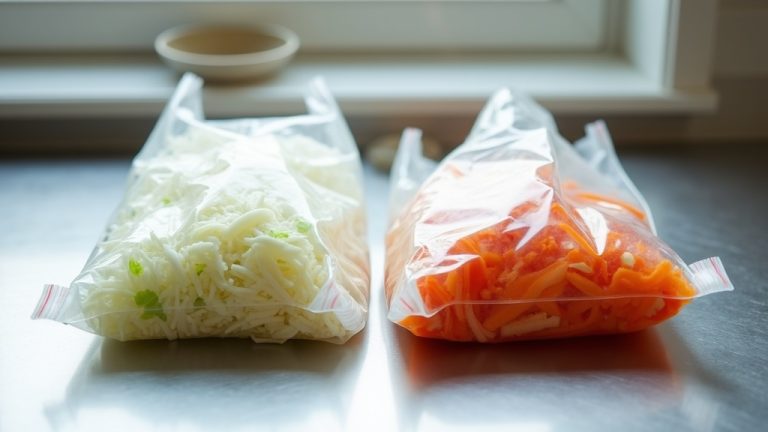
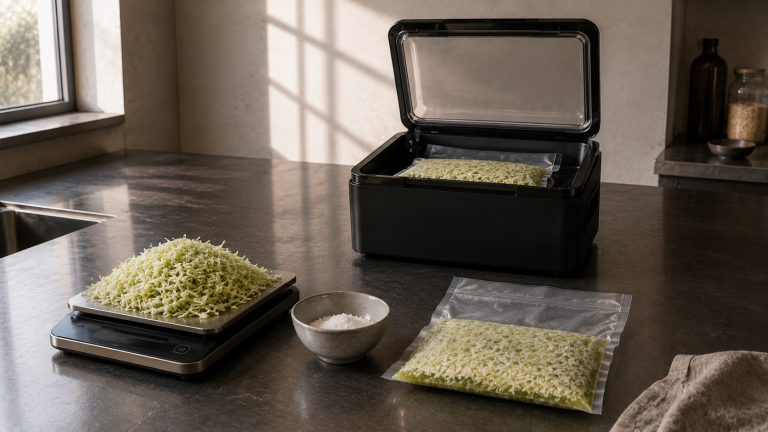
Build it like this. Take a firm vegetable that suits gentle cooking, carrot, fennel or kohlrabi, and cut it to an even thickness so it cooks at one rate. Add cultured butter, 15 to 20 grams per 200 grams of vegetable, and a pinch of salt.
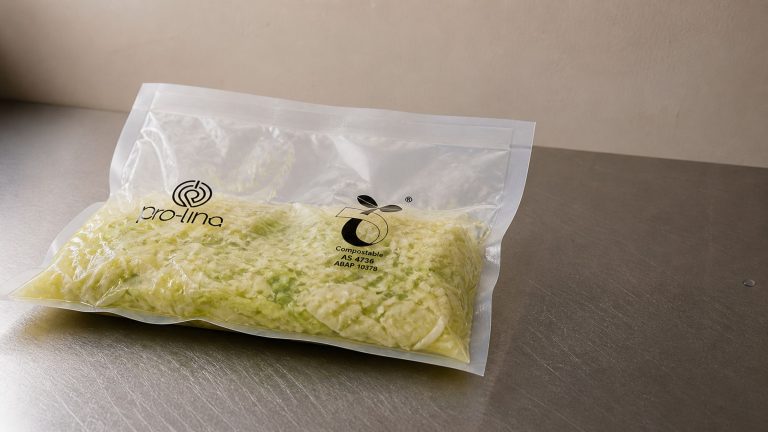
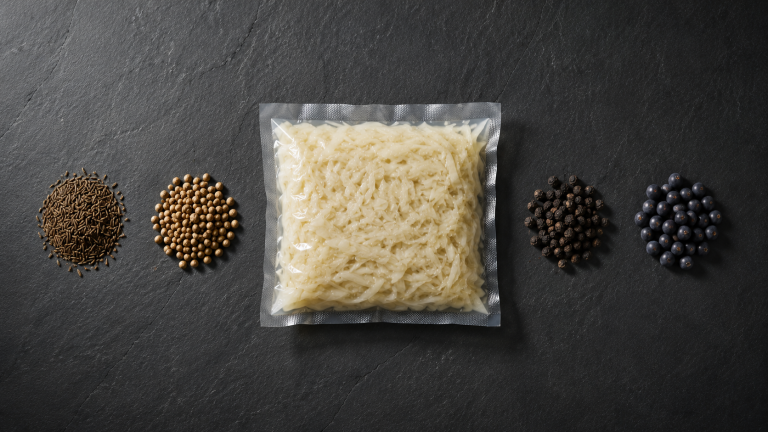
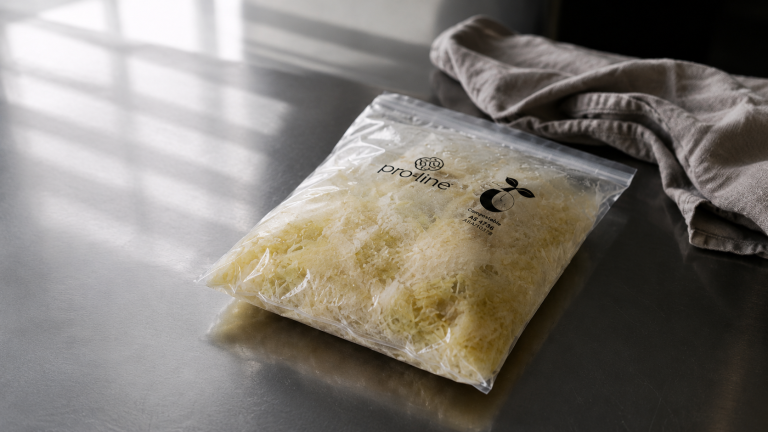
Chamber vac seal the lot in a single bag. The seal does two jobs: it presses the butter against the vegetable so the fat conducts heat evenly, and it holds the aromatics in the bag instead of leaching them into a water bath. If you do not have a chamber vac yet, a zip bag lowered into the water with the air pushed out is the baseline, but the seal is cleaner and the cook more even.
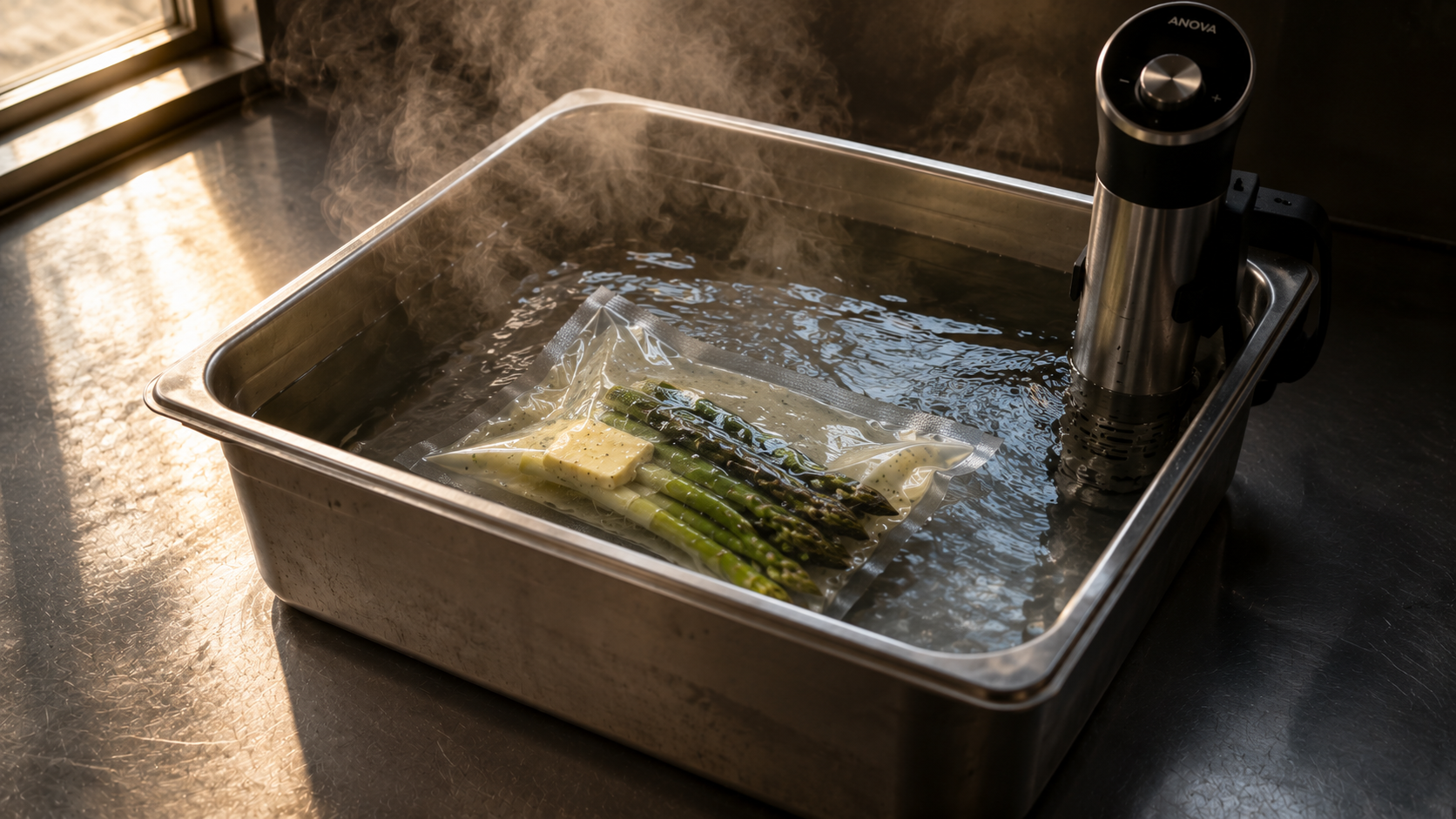
Set the Anova circulator to 58C as a starting point. Carrot cut to one centimetre comes through in about an hour, denser cuts want closer to two. The butter holds its emulsion at this temperature and will not split into oil and solids the way it does in a hot pan.
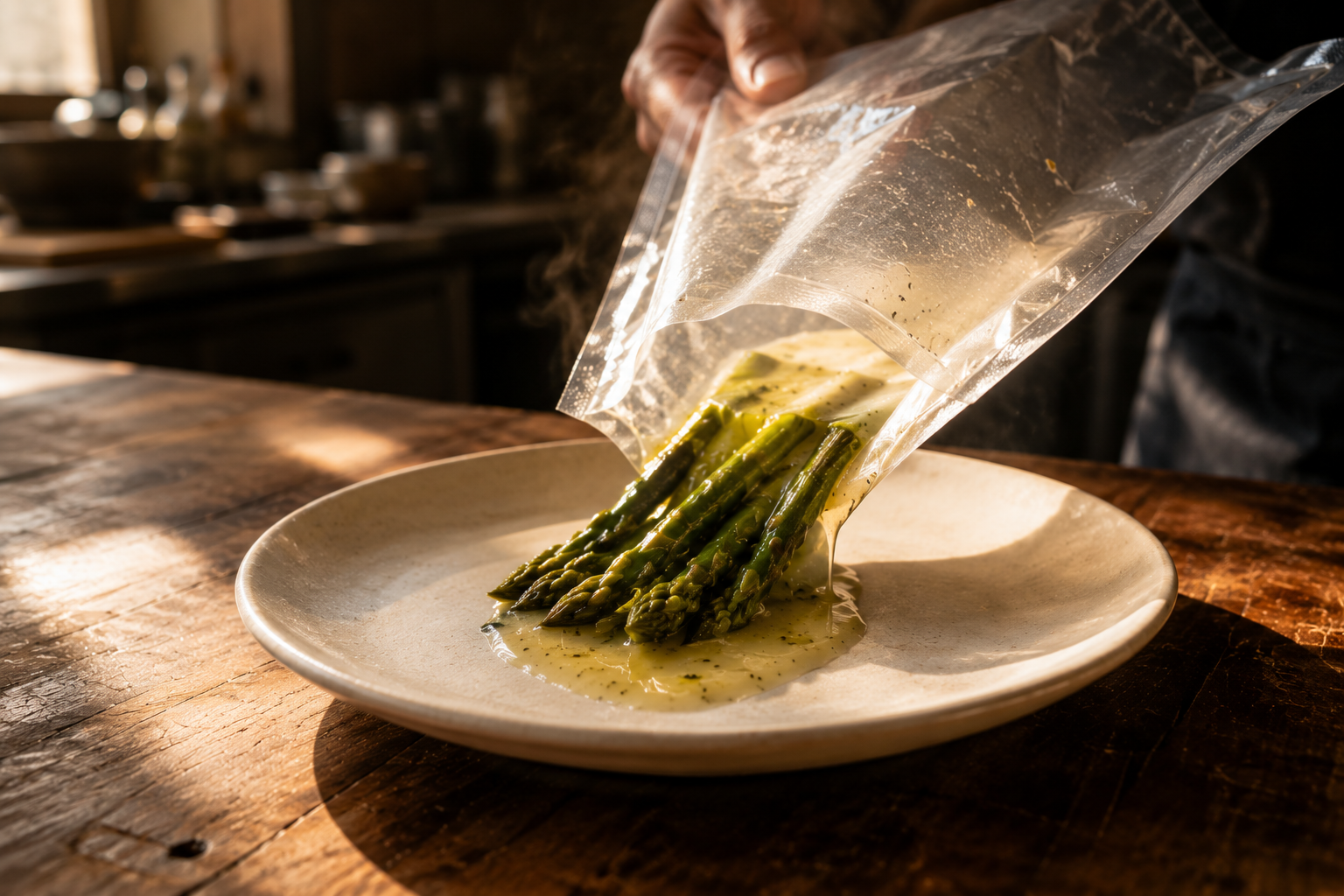
Then the part that is the actual method: open the bag and eat it. Plate it straight from the circulator, butter and vegetable juices together. This runs from bath to plate with no holding, no chilling and no reheating, which is exactly why it works.
That last point is not a convenience caveat, it is the safety logic. Standard sous vide pasteurisation temperatures exist to stop surviving organisms multiplying during a long hold or a slow chill. This technique has neither, so that failure mode is not in play.
Keep normal kitchen hygiene on what goes into the bag, cook to eat, and do not repurpose this as a make-ahead method. The moment you want to store it you are in different territory, and the higher pasteurisation rules apply.
What this connects to
The arc has been one idea read from three sides. What you put in the bag becomes flavour, then it becomes what your gut can absorb, and now it becomes a question of heat. Same bag, three readings.
The line that holds it together is simple: cook to eat, not cook to hold. Cooking to hold is meal-prep logic, food built to sit in a fridge and survive a reheat. Cooking to eat keeps the living part of the food alive to the fork, and it only works because you are there to eat it.
Cook to eat is not about keeping food raw. It is about choosing the temperature that preserves what you set out to preserve.
That is why this sits inside the Inner Ecosystem rather than beside it. The cabbage base works over days. The butter is the same principle moved onto the dinner plate, warm, and eaten on the spot.
In a restaurant kitchen, temperature is not aesthetic, it is control. Set it deliberately and it becomes a design variable, which is the whole method here, not a detail underneath it.
If you have not built the base the rest of this rests on, start with the Neutral Base Method, then come back and read this as the cooked companion to it.
Come back next Monday for a new Field Note.
References
– Huerta-González, L., López-Valdez, F., & Luna-Suárez, S. (2022). The potential use of acylglycerols on the thermal inactivation of lactic acid bacteria for the manufacture of long-life fermented products. *BMC Microbiology*, 22(1), 285. https://doi.org/10.1186/s12866-022-02694-9
– Lindsay, D., Robertson, R., Fraser, R., Engberg, S., & Tonner, A. (2021). Heat induced inactivation of microorganisms in milk and dairy products. *International Dairy Journal*, 121, 105096. https://doi.org/10.1016/j.idairyj.2021.105096
Field Notes Weekly
One Field Note. Every Monday. Mechanism first, no wellness language.